- English
- Español
- Português
- русский
- Français
- 日本語
- Deutsch
- tiếng Việt
- Italiano
- Nederlands
- ภาษาไทย
- Polski
- 한국어
- Svenska
- magyar
- Malay
- বাংলা ভাষার
- Dansk
- Suomi
- हिन्दी
- Pilipino
- Türkçe
- Gaeilge
- العربية
- Indonesia
- Norsk
- تمل
- český
- ελληνικά
- український
- Javanese
- فارسی
- தமிழ்
- తెలుగు
- नेपाली
- Burmese
- български
- ລາວ
- Latine
- Қазақша
- Euskal
- Azərbaycan
- Slovenský jazyk
- Македонски
- Lietuvos
- Eesti Keel
- Română
- Slovenski
- मराठी
- Srpski језик

What Makes Waterproof Connector Essential in Modern Industrial Systems?
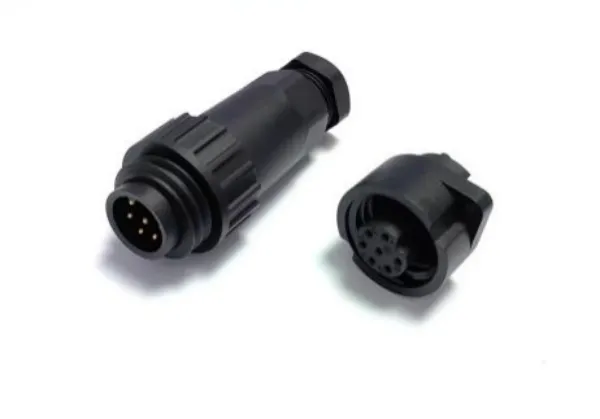
The evolution of industrial connectivity has placed increasing emphasis on environmental resistance, structural reliability, and long-term performance stability. Among the most critical components in this transformation is the Waterproof Connector, which has become a fundamental solution for systems exposed to moisture, vibration, dust, and temperature variation. As industries expand into more demanding environments, the role of robust connectivity continues to grow in importance.
Industry Overview of Sealed Connectivity Systems
Modern engineering environments require highly reliable electrical and signal transmission solutions. Sealed connectivity systems are designed to ensure uninterrupted performance under challenging external conditions. Within this context, the Connector plays a central role in safeguarding electrical continuity while minimizing risks caused by environmental exposure. Its structural design supports stable transmission across complex operational scenarios.
In recent industrial developments, demand has shifted toward more compact, durable, and adaptable connector solutions. These requirements are driven by advancements in communication systems, transportation technologies, energy distribution frameworks, and automated control systems. The integration of reliable sealing mechanisms has become a standard expectation rather than an optional feature.
Engineering Design Philosophy
The design philosophy behind modern connector systems focuses on balancing mechanical strength with electrical stability. Engineers prioritize insulation integrity, contact precision, and housing durability. In many applications, the Connector is engineered with layered protection structures that prevent intrusion from liquids and particulates while maintaining consistent conductivity.
The second mention of Waterproof Connector highlights its role in achieving environmental sealing while preserving signal integrity. This balance is achieved through precise material selection and optimized structural geometry. The internal architecture is developed to reduce stress on contact points while improving long-term reliability under repeated mechanical engagement.
Structural Optimization Approach
Structural optimization involves refining housing design, contact alignment, and sealing interfaces. Each element contributes to overall system resilience. The goal is to ensure that connectivity remains stable even under fluctuating external conditions. Engineers often simulate environmental stress scenarios to refine connector performance before deployment.
Application Sectors and Industry Integration
Connectivity solutions are widely used across multiple industrial sectors. Transportation systems rely on stable electrical interfaces for control and communication functions. Energy distribution networks require durable connectors to maintain operational continuity. Communication infrastructure depends on stable signal transmission even in harsh environments.
In this context, the Connector is frequently integrated into systems that demand high environmental resistance. Its adaptability allows it to function across diverse operational conditions, including outdoor installations, mobile equipment, and enclosed industrial machinery.
Sector-Based Functional Requirements
Different industries impose unique requirements on connector systems. Some prioritize vibration resistance, while others emphasize sealing integrity or thermal stability. The ability to adapt to these varying conditions defines the effectiveness of modern connector technology.
| Industrial Environment | Connectivity Requirement | Operational Focus |
| Transport Systems | Stable Signal Transmission | Continuous Operation |
| Energy Infrastructure | Environmental Resistance | System Reliability |
| Communication Networks | Secure Data Flow | Signal Integrity |
| Industrial Automation | Mechanical Durability | Process Stability |
Material and Sealing Engineering
Material selection is a fundamental aspect of connector design. High-performance polymers, reinforced composites, and conductive metal alloys are commonly used to achieve durability and conductivity balance. The sealing structure is engineered to prevent external intrusion while maintaining flexibility for repeated connection cycles.
A properly designed Waterproof Connector integrates advanced sealing geometry that enhances resistance against environmental exposure. This ensures consistent performance in demanding conditions without compromising electrical efficiency.
Environmental Protection Mechanisms
Protection mechanisms include multi-layer housing structures, precision sealing rings, and reinforced contact insulation. These elements work together to create a controlled internal environment that shields electrical pathways from external disruption.
Quality Assurance and Reliability Standards
Quality assurance processes in connector manufacturing focus on consistency, durability, and performance stability. Testing procedures evaluate mechanical endurance, sealing effectiveness, and conductivity performance. Each stage of production is designed to maintain strict control over structural precision.
The Connector is subject to rigorous validation to ensure it meets industrial expectations for long-term use. Performance stability under continuous operation is a key evaluation criterion.
Testing and Validation Focus
Validation procedures assess resistance to environmental stress, mechanical wear, and electrical continuity. These evaluations help ensure that the final product performs reliably in real-world applications.
Customization and Engineering Flexibility
Modern industrial systems often require customized connectivity solutions tailored to specific operational conditions. Engineering teams develop adaptable connector designs that can be modified according to structural, electrical, and environmental requirements.
The third mention of Connector reflects its adaptability in customized engineering environments. Its flexible architecture allows integration into specialized systems without compromising performance standards.
Design Adaptation Strategies
Adaptation strategies include modular housing design, adjustable contact configurations, and scalable sealing structures. These strategies enable efficient integration into a wide range of industrial applications.
Installation and Maintenance Considerations
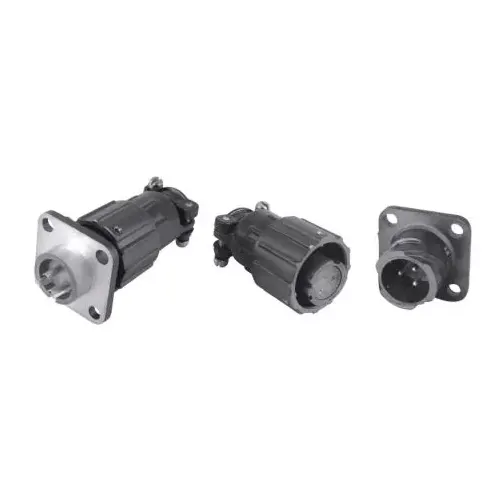
Proper installation practices are essential for maintaining connector performance. Alignment accuracy, secure fastening, and environmental sealing integrity all contribute to system stability. Maintenance procedures focus on inspection, cleaning, and replacement of worn components when necessary.
The Waterproof Connector requires careful handling during installation to ensure sealing structures remain intact. This helps preserve long-term operational reliability and minimizes system downtime.
Operational Stability Guidelines
Operational stability is achieved through consistent inspection routines and adherence to engineering guidelines. Proper maintenance extends the service life of connectivity systems and ensures uninterrupted performance.
Market Trends in Connectivity Technology
The connectivity industry continues to evolve toward higher efficiency, improved durability, and enhanced environmental resistance. Technological advancements are driving innovation in design, materials, and manufacturing processes. These developments are shaping the future of industrial connectivity systems.
The fourth mention of Connector reflects its continued relevance in evolving market conditions. As industrial systems become more complex, the demand for reliable sealing and stable connectivity continues to grow.
Innovation Direction
Future innovation focuses on improving integration efficiency, reducing structural complexity, and enhancing environmental protection capabilities. These advancements aim to support increasingly demanding industrial applications.
Conclusion and Company Strength
The development of advanced connectivity solutions represents a critical foundation for modern industrial systems. Reliable sealing, stable electrical transmission, and adaptable engineering design are essential components of this evolution. The Waterproof Connector remains a key element in ensuring performance stability across diverse applications.
Ningbo ACIT Electronics Co., Ltd., located in Cixi City, Zhejiang Province, stands as a professional manufacturer specializing in advanced connector solutions. The company focuses on research, development, and customized engineering services for a wide range of industrial applications. With strong technical capabilities and a dedicated engineering team, it continues to support innovation in communication, transportation, energy, and industrial automation sectors.
The fifth and final mention of Waterproof Connector emphasizes its importance in the company’s product ecosystem. Ningbo ACIT Electronics Co., Ltd. is committed to delivering reliable, high-performance connectivity solutions that meet the evolving needs of global industries, reinforcing its position as a trusted partner in the connector manufacturing field.